

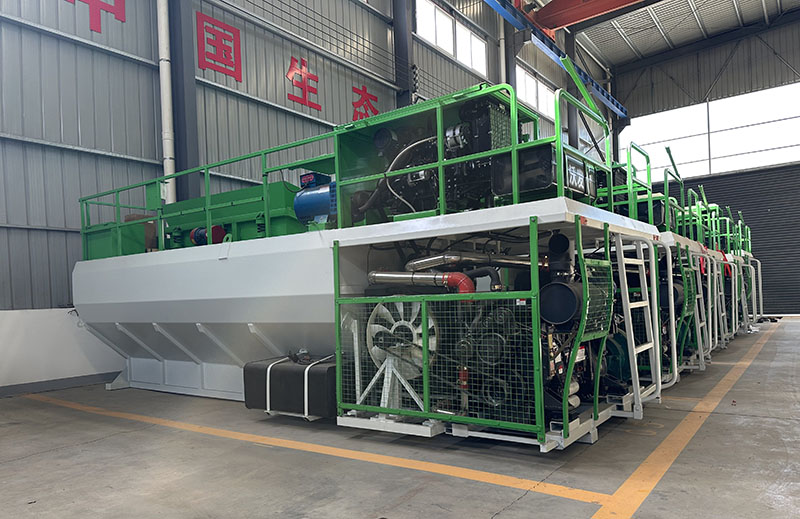
The soil spraying machine is a plant greening equipment introduced from abroad, which has become an effective vegetation construction method in greening projects such as highway (railway) roadside slope greening, mine greening, desert control, river embankment protection, and large-scale green space reconstruction.
The soil spraying machine has gradually replaced the position of dry spraying machine and concrete conveying pump in construction, to some extent solving the disadvantages of low efficiency, high construction cost, excessive labor and high cost, high danger and inconvenience of wet spraying machine. Due to its performance advantages, the soil spraying machine has been widely used, but the prices of different models also vary. What factors determine the price? Let's take a look together.
Why is there such a big price difference for the Ke Tu sprayer
1. The engine is the core component of the sprayer, and its quality directly affects the performance and power of the soil sprayer equipment.
2. The rational allocation of mud pump and spray seeder greatly improves the efficiency of the manual seeder and reduces the blockage phenomenon in the process of nozzle blockage.
3. The mixing system is the hub that drives and regulates the operation of soil spraying and sowing machinery components. There are mechanical and hydraulic mixers available in the market. Mechanical mixing is simple to understand and easy to maintain, but it is heavy. Hydraulic mixing is relatively light and easy to operate, but its structure is relatively complex
Suitable for personnel use.
Users should not only focus on the price when choosing a soil sprayer, but also consider the performance of the mechanical equipment to avoid being exaggerated by some merchants. They need to learn to identify some important accessories in the equipment, such as engines, mud pumps, etc., and try to buy good equipment at a low price. Choosing equipment with high cost-effectiveness is more cost-effective, and the mechanical equipment also needs to be well maintained to reduce the probability of equipment failure.